
Rhinoplasty is among the most personal aesthetic choices an individual can make—one shaped as much by emotional readiness as by facial anatomy. Some patients have carried insecurities about their noses since adolescence; others come to it later, seeking subtle refinement or greater harmony. Dr. Deepak Dugar knows that timing is everything. Just like the Scarless Nose® technique itself, the ideal moment for surgery depends on precision, maturity, and individual readiness, not merely age.
Minimum Age: When Is It Medically Appropriate?
From a developmental standpoint, surgeons typically recommend waiting until nasal growth is complete, which usually occurs around:
- 15–16 years old for girls
- 16–17 years old for boys
This guidance reflects average timelines for skeletal and facial maturity, as supported by the American Academy of Otolaryngology–Head and Neck Surgery and Nemours Children's Health. Performing rhinoplasty before full growth may compromise long-term results or interfere with natural development.
However, age alone isn’t enough. Dr. Dugar conducts a comprehensive evaluation to determine anatomical readiness and psychological and emotional preparedness, ensuring young patients have clear, internally motivated goals and realistic expectations.
Ideal Age Range: 18 to 35
For most patients, the optimal window for rhinoplasty tends to fall between 18 and 35. This range offers several advantages:
- Facial features are fully mature and stable
- Skin retains youthful elasticity, supporting ideal healing
- Patients are often confident in their self-identity and aesthetic preferences
- Recovery tends to be smoother, with fewer age-related health concerns
These factors contribute to strong surgical outcomes and high satisfaction rates. In fact, according to the American Society of Plastic Surgeons, rhinoplasty consistently ranks among the top five cosmetic procedures performed on patients aged 20–29.
Rhinoplasty After 40: Is It Too Late?
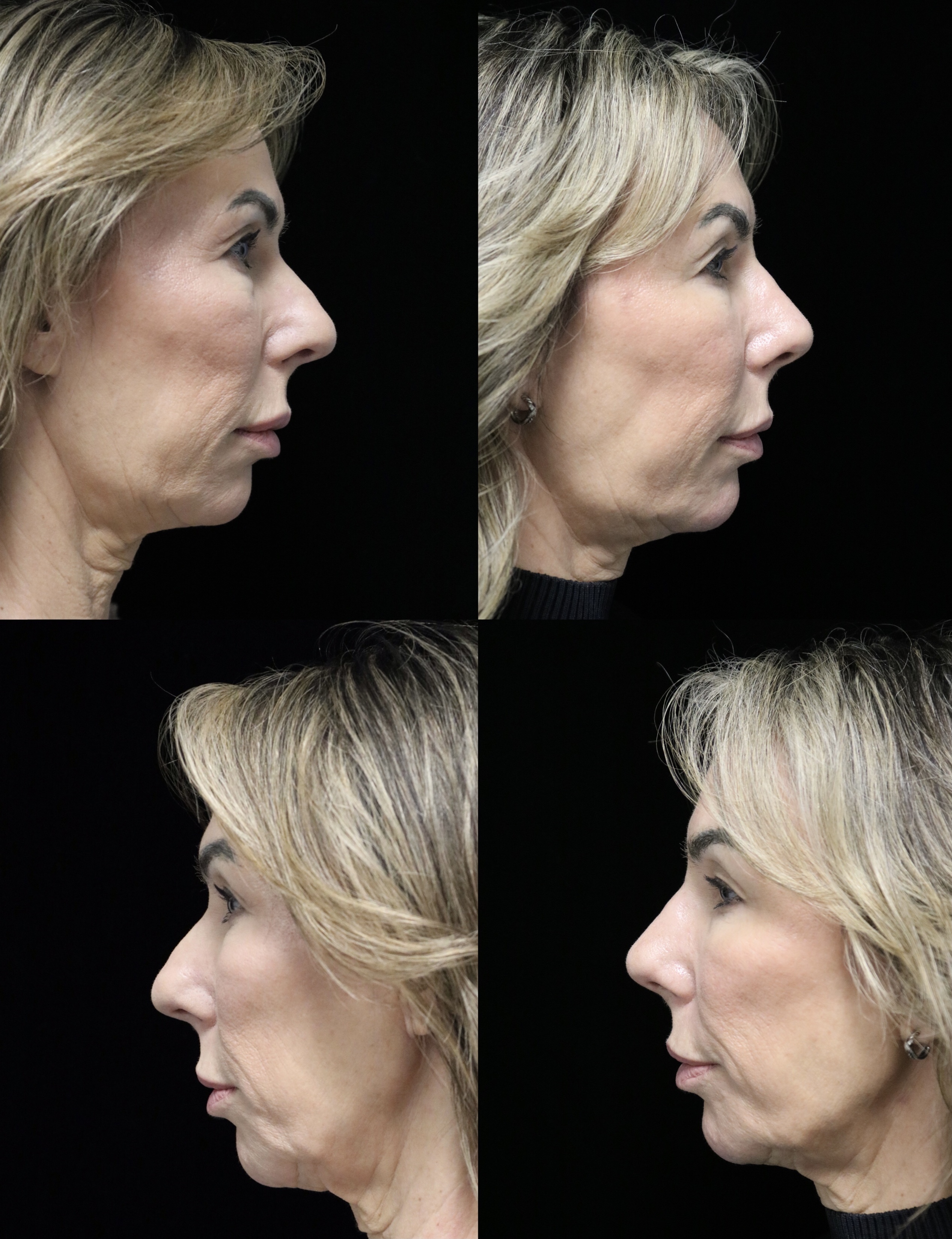
Absolutely not. While younger patients often seek rhinoplasty for aesthetic harmony or confidence, many older patients pursue it for functional improvement, subtle rejuvenation, or revision of a past surgery.
Patients in their 40s, 50s, and even 60s may experience:
- Tip drooping or elongation due to aging
- Breathing difficulties related to the internal nasal structure
- Dissatisfaction with previous procedures performed decades ago
At this stage, Dr. Dugar tailors every plan to maximize safety and deliver age-appropriate and naturally elegant results.
How does somebody's nose give away their true age?
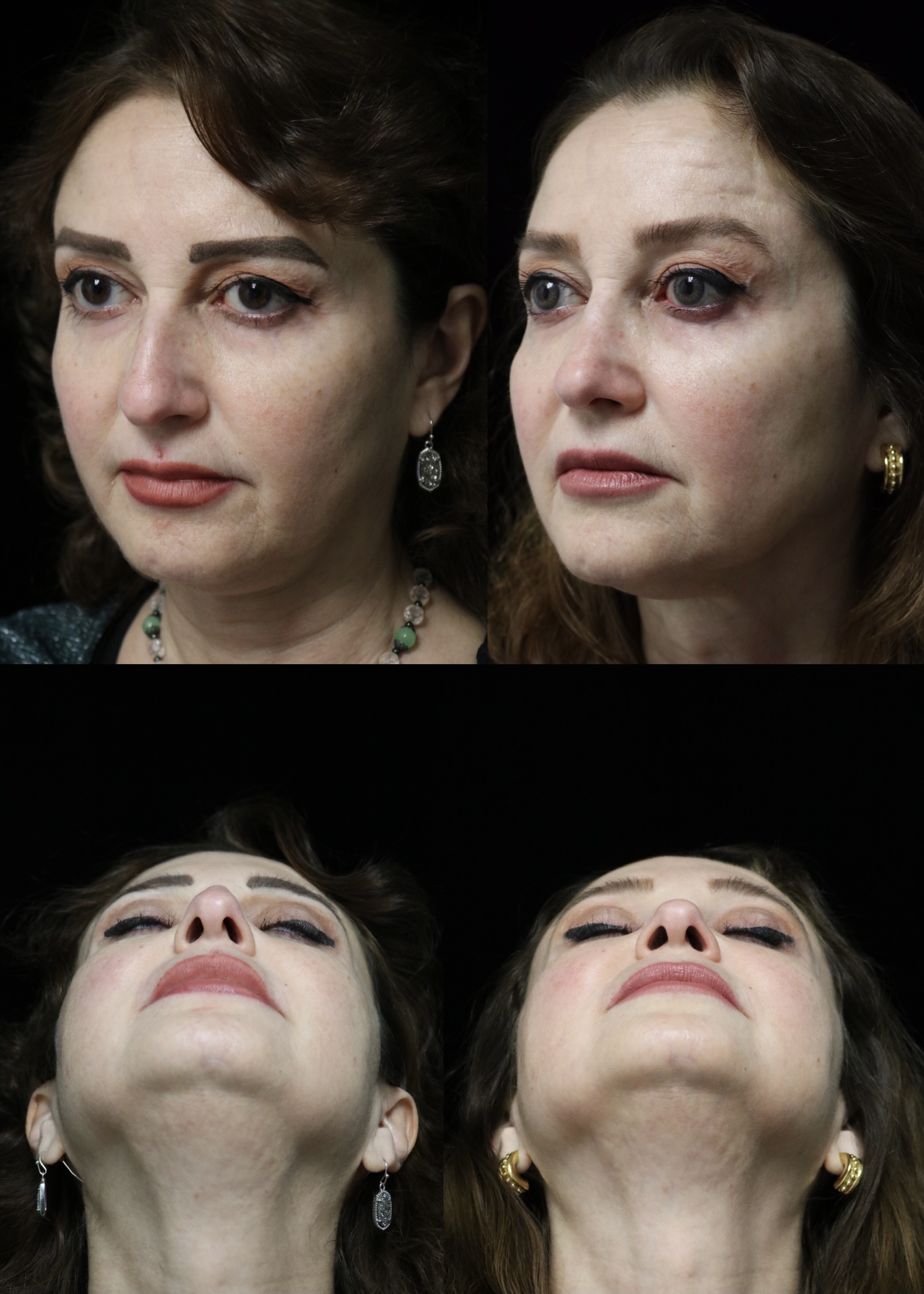
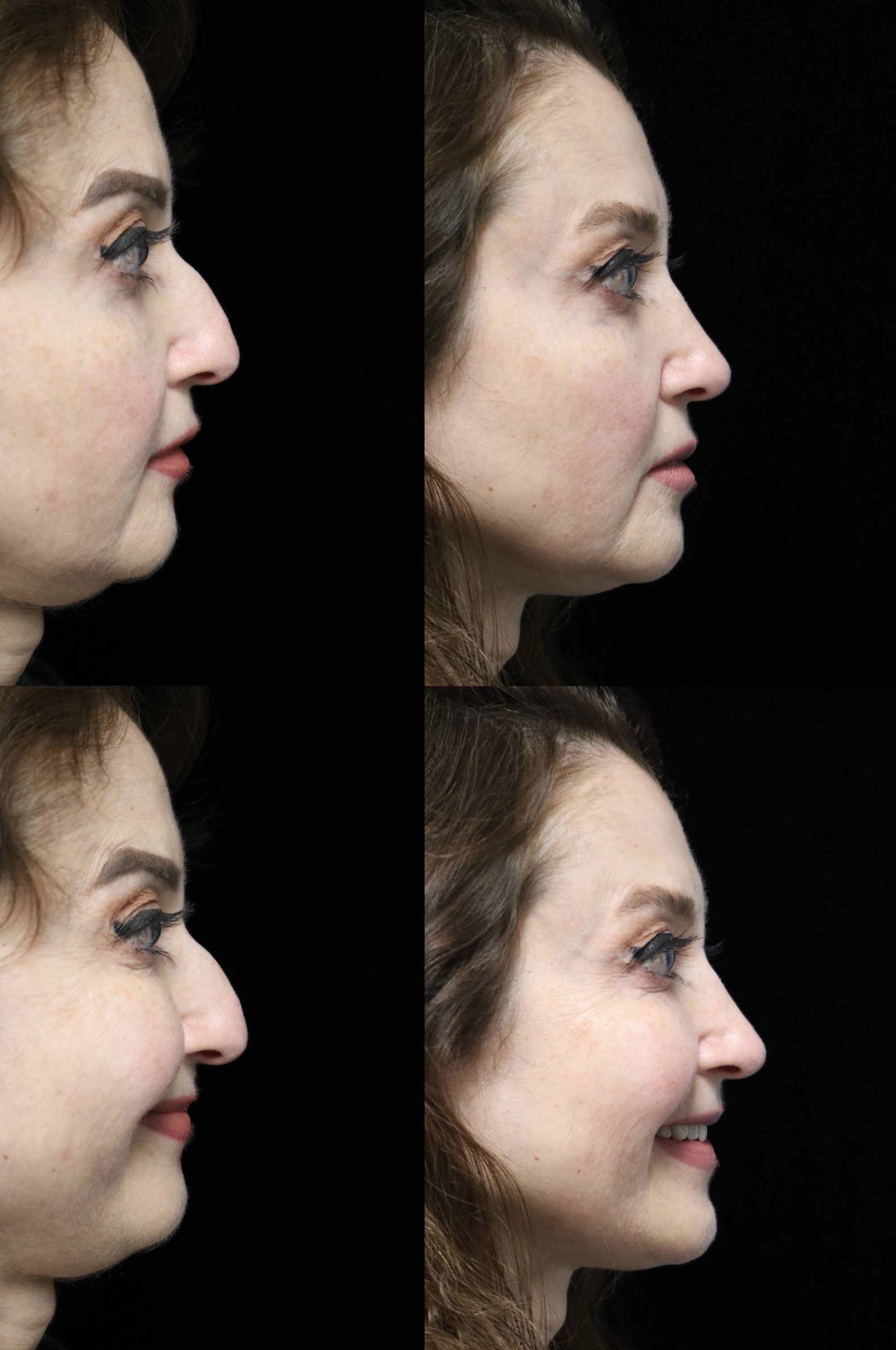
As we age our noses and ears continue to grow and droop with gravity dependent changes sometimes you’ll notice your nose looks longer and droopier than your younger photos once you start to get into your 40s, 5060s and beyond if you’ve never had any rhinoplasty work previously done. Many patients feel this way and express this concern to us.
What do you do to make a nose look more youthful?
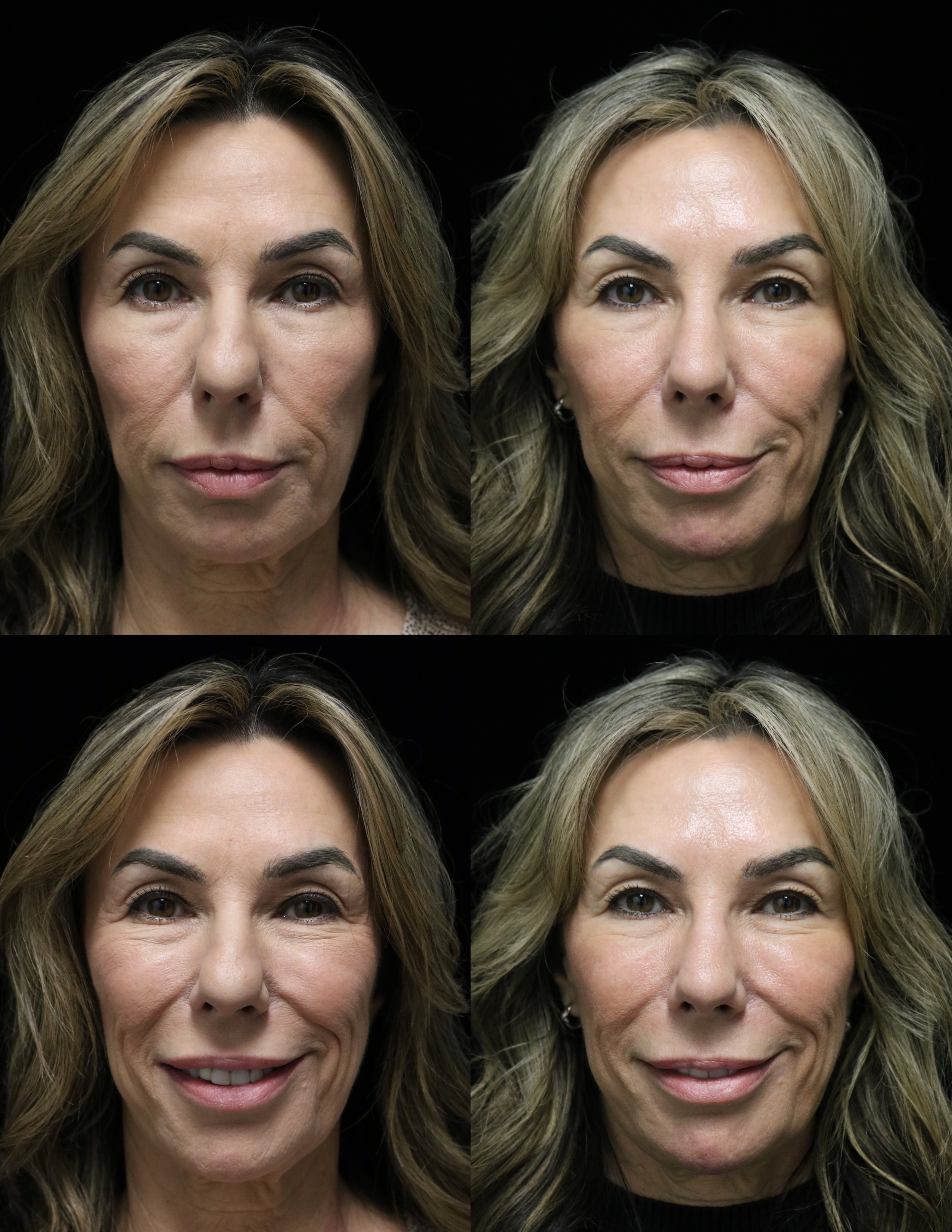
Typically, a more youthful nose will be one that is less droopy with a slight upward axis, giving a more cherubian and younger look to the nose and face. Sometimes also decreasing the overall size of the nose to make it look more contoured and defined helps make the face look younger and more youthful as well.
Nose jobs have often been associated with younger patients, but are you noticing an uptick in much older patients getting rhinoplasty now?
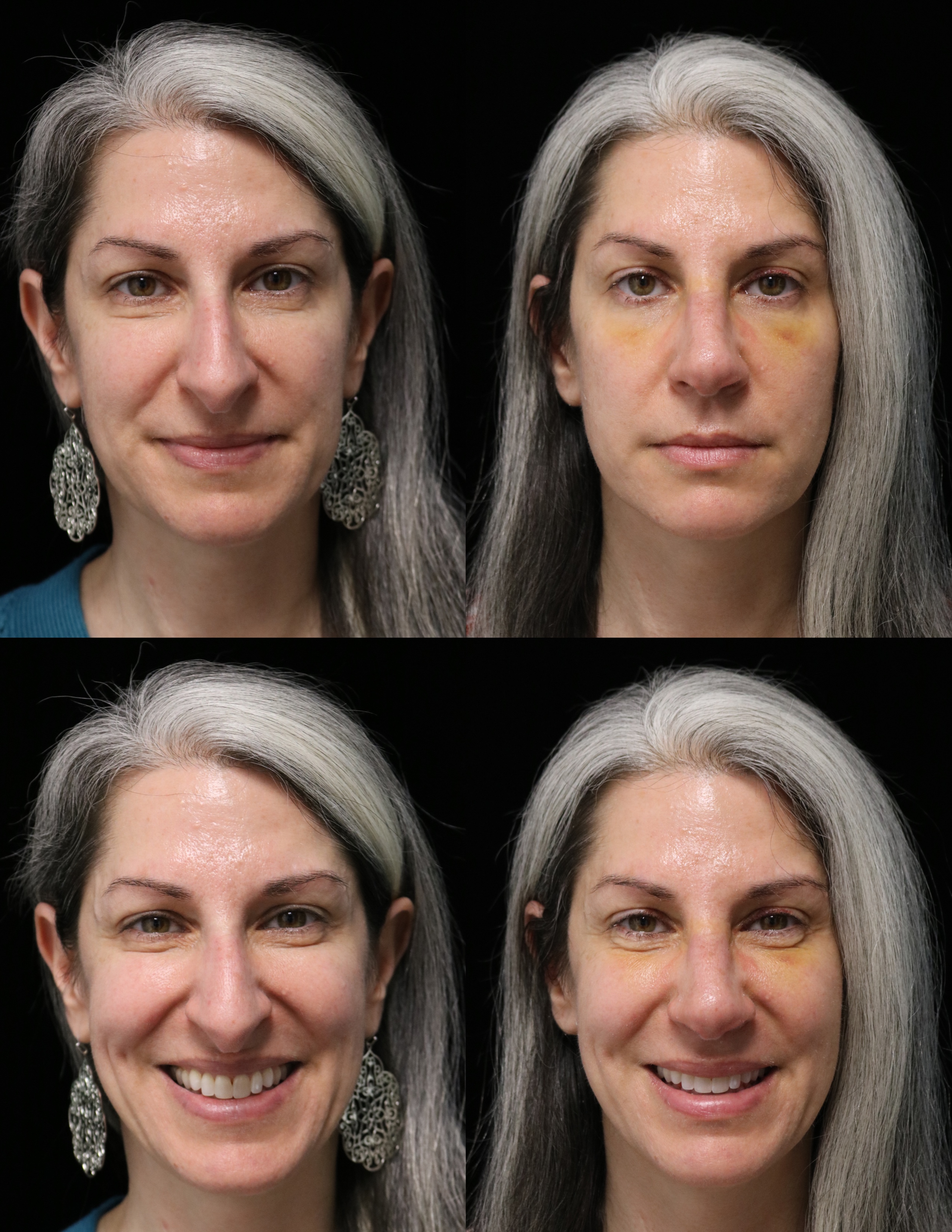
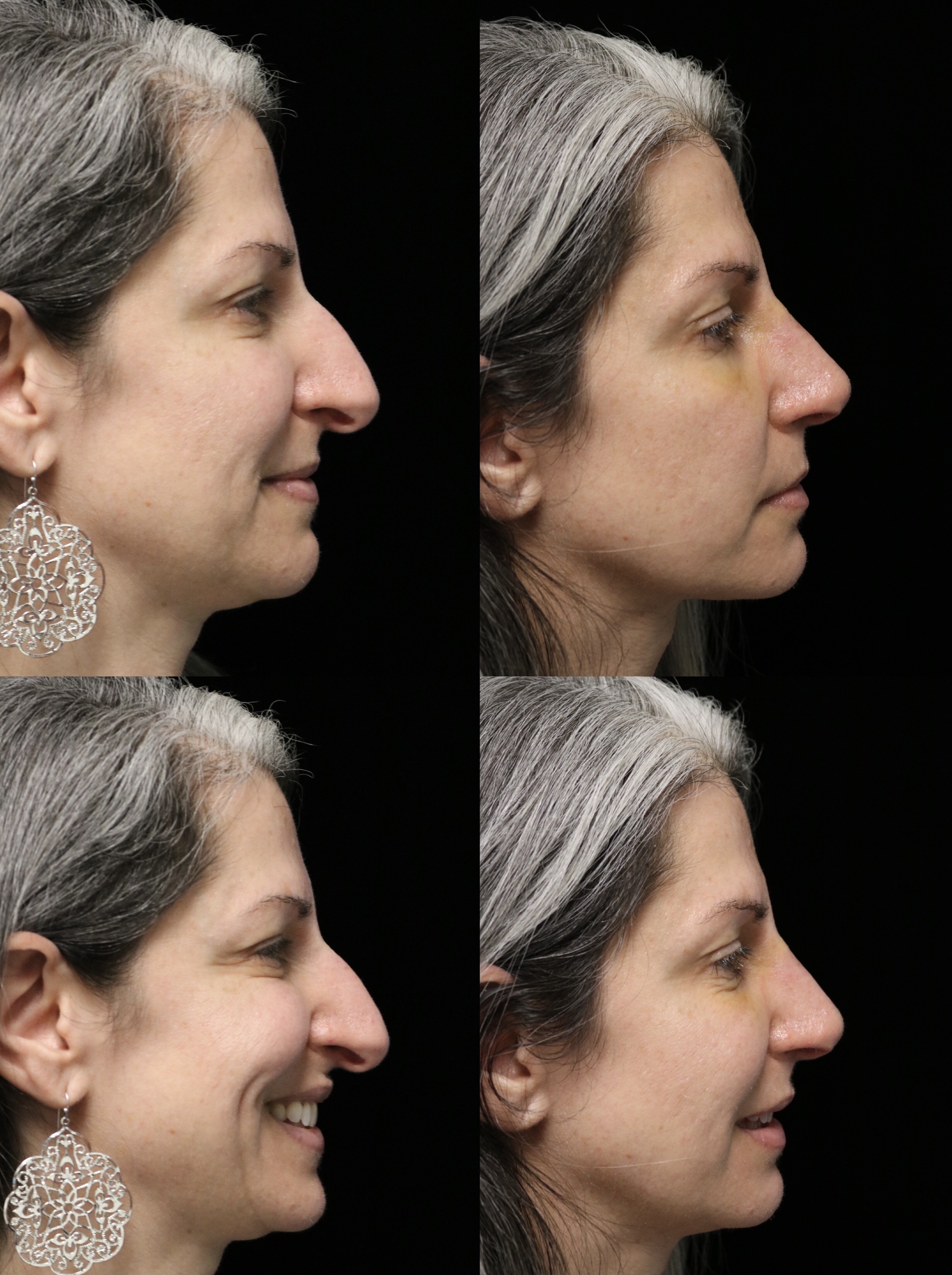
We are seeing a massive uptick in older patients, opting for Rhinoplasty. This generation of 50+ age patients are more in tune with their antiaging options as the facelift industry has catapulted the idea of natural facial rejuvenations. But this leads them to focusing on the center of the face, that cannot be addressed with a facelift, leading them to inquire about Rhinoplasty for their nose. Historically, my smallest demographic of patients was in the 50+ age range and now it has become my second largest demographic after the 18 to 25 age range. The 50+ age generation also has more expendable income and have been desiring this procedure likely most of their adult lives leading to no confusion as to whether they want to get it done or not.
Are you seeing some patients who had their nose done quite young, and are then coming to you much later in life for a second rhinoplasty due to ageing?
Thankfully, when Rhinoplasty is done well it usually does not require any maintenance later in life. However, sometimes patients do want more change their nose, or did not get a great rhinoplasty in the first place in which case they opt for revision Rhinoplasty to get the more ideal result. We generally still promote that Rhinoplasty should be a one and done surgery as every surgeons goal and should not require maintenance or upkeep long-term.
For patients getting facelifts and brow lifts etc, is it often advisable that they get their nose treated too to match their new face?
I don’t recommend anyone get a Rhinoplasty specifically because they are getting a facelift. But I do find many of them opt in for this given their concern of having a larger nose in relation to their now smaller more lifted face. That being said it always depends on anatomy as some patients naturally have a cute small nose or have had a previous rhinoplasty and do not need an another one just because they’re getting a facelift. Most of my patients opt for the best facelift surgeon and the best Rhinoplasty surgeon separately rather than doing them together because they would like the “best of the best” for each specific procedure to help them achieve their best and desired version of themselves. I am a big believer in finding super specialists if you’re able to travel and afford the best surgeons in the world. I work with many of the top facelift surgeons around the world who collaborate with me to perform facelifts on my patients either before or after I perform the Rhinoplasty.
For patients who don't want to go under the knife, what kind of non-surgical procedures can you do on the nose?
Non-surgical Rhinoplasty remains strongly based on hyaluronic acid (dissolvable and absorbable) fillers being used in the nose to contour the shape. I strongly urge patients never to use permanent Fillers in the Nose as we have seen so many horrific medical cases in years past from abnormal healing as it is impossible to remove this without surgery. I also believe that “thread lifts” do not work in the nose whatsoever and should not be used for any meaningful purpose. Closed Scarless Rhinoplasty is what most of my patients opt in for because it allows them to have the minimally invasive version of a full rhinoplasty and achieve all of the same benefits of a full rhinoplasty without taking on the risks of deconstructing the nose or any external cuts or scars.
It’s Less About Age—And More About Readiness
Ultimately, age is just one consideration in the decision to pursue rhinoplasty. Far more important are individual factors that transcend the calendar, like anatomical maturity, emotional readiness, self-motivated goals, and a clear understanding of what the procedure entails.
Dr. Dugar is internationally known for his Scarless Nose® technique and his principled approach to patient care. He frequently declines to operate when the anticipated enhancement is minimal or the motivations seem externally driven. His philosophy aligns with the American Psychological Association and American Society for Aesthetic Plastic Surgery recommendations, emphasizing the importance of psychological preparedness in elective cosmetic surgery.
The Right Time Is When It Feels Right for You
Some individuals are ready in their teens; others wait until later in life. What matters most is that the decision is thoughtful, informed, and entirely your own. We believe the best results are those that don’t look like surgery—just a more harmonious, confident version of you.
With Dr. Dugar’s signature closed rhinoplasty technique, patients can achieve beautifully refined, scar-free results with minimal downtime and maximum subtlety. If you're considering rhinoplasty and wondering whether now is the right time, we welcome you to schedule a private consultation and explore your options with honesty, expertise, and discretion.